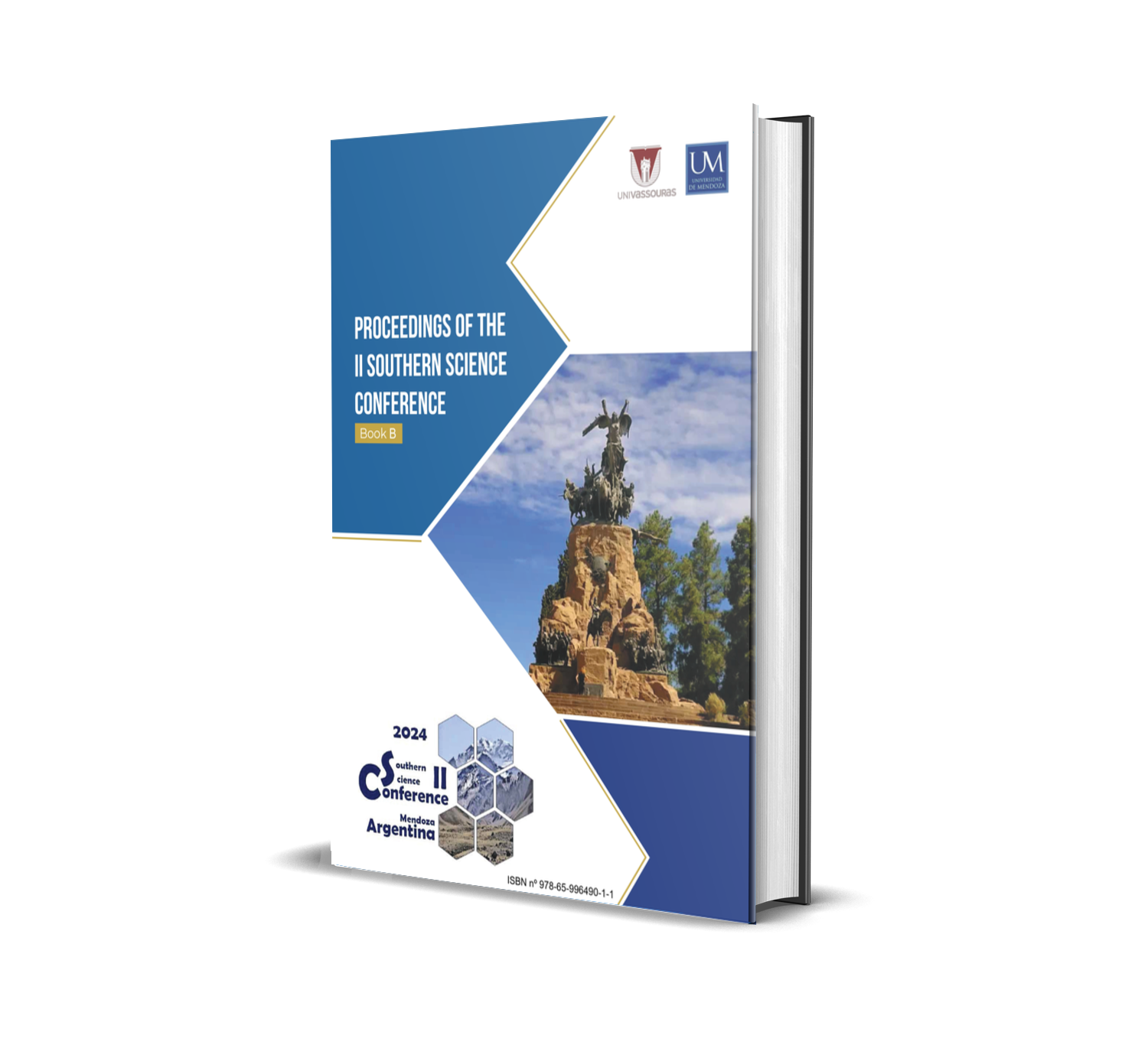
We are delighted to announce the Third Southern Science Conference, which will be held in the historic and charming city of Vassouras, Rio de Janeiro, Brazil, from November 11th to 13th, 2026. The conference will be hosted by the University of Vassouras (Universidade de Vassouras). This conference is particularly special as it continues the tradition established by our previous successful editions, building upon the rich legacy of the University of Vassouras, which has been a cornerstone of education in the region for nearly 60 years since its foundation in 1967.
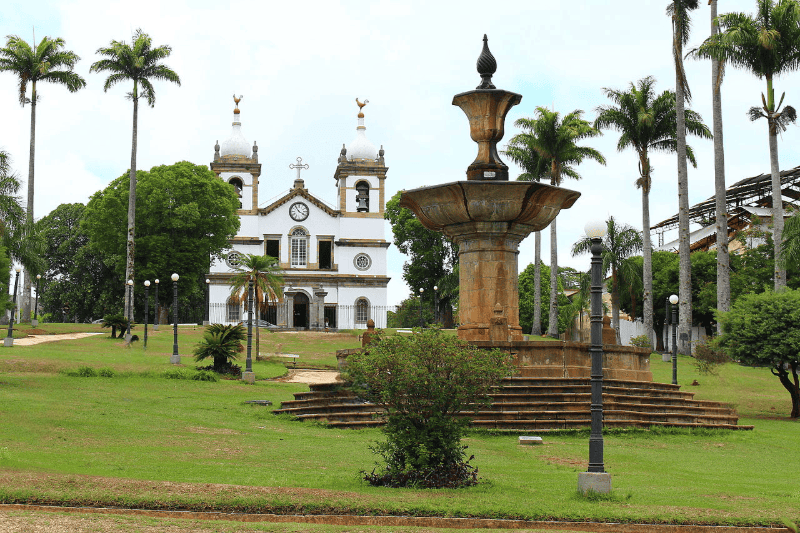
The Third Southern Science Conference (SSCON 2026) will be held in Vassouras, known as the "City of Barons" (Cidade dos Barões) and the "Princess of Coffee" (Princesinha do Café), a UNESCO-protected historic city that was once the heart of Brazil's coffee empire during the 19th century. Located just 120 kilometers from Rio de Janeiro, this picturesque city of approximately 35,000 inhabitants offers an ideal environment with its pleasant climate, historic architecture, and the vibrant academic atmosphere created by the university community. The conference will be a hybrid event, offering both in-person and virtual attendance options, allowing participants from all over the world to come together in this unique setting to discuss the theme of "Sustainable Innovation for Global Challenges." In light of the ongoing global challenges, this theme is particularly relevant as we look to find innovative solutions to the many pressing issues facing our planet today.
Vassouras, with its remarkable historic center featuring grand palaces and sumptuous mansions from the golden age of coffee, provides an inspiring backdrop that reflects the wealth and sophistication of Brazil's Imperial period. The University of Vassouras, founded by Professor Severino Sombra and officially recognized as a university in 1997, has transformed this historic city into a modern center of learning and research, offering state-of-the-art facilities including laboratories, research centers, and a university hospital. This unique blend of historical heritage and academic excellence makes Vassouras the perfect venue for fostering international scientific collaboration and innovation.
The conference will cover a wide range of topics related to science and technology, including food production, energy production, environmental sciences, valuation of endogenous resources, drug production, production without waste, waste management, and treatment. These topics will be addressed by renowned experts from around the world, who will share their insights and expertise on the latest developments in each field.
In addition to the rich program of lectures, workshops, and panel discussions, the SSCON 2026 will provide ample opportunities for networking, collaboration, and exchange of ideas. Attendees will be able to connect with like-minded individuals from different backgrounds, disciplines, and cultures, forging new relationships that will continue to inspire and drive innovation long after the conference has ended.
We look forward to welcoming you to Vassouras, Rio de Janeiro, Brazil for this exciting event, where together, we will work towards creating a better future for our planet and all its inhabitants.
SUBMISSIONS ARE OPEN. The first 20 early birds will receive as a gift, a letter of acceptance (provided after the manuscript is approved in the peer-review process). Submit the core paper of your presentation today!. You are welcome to use either the conference email or the journal email to perform this action.
Extended deadline: Spetember 20, 2026
Open and Global Knowledge
All SSCon research is available in open access on the
Zenodo Repository,
ensuring transparency and global impact. Our work is indexed in
OpenAIRE,
expanding their visibility to researchers and international institutions.
Contribute and access data freely.
Food Production
Sustainable agriculturePrecision farmingFood security and safetyBiotechnology in food productionNew food sources and alternativesSupply chain management in food industry
Energy Production
Renewable energy sourcesEnergy storage systemsEnergy efficiency and conservationSmart grids and energy managementCarbon capture and storage technologiesHydrogen fuel and fuel cells
Environmental Sciences
Climate change and its impactsBiodiversity conservation and ecosystem managementPollution prevention and controlEnvironmental monitoring and assessmentSustainable waste managementEnvironmental policies and regulations
Valuation of Endogenous Resources
Natural resource managementEcosystem services and their valuationIndigenous knowledge and practicesSustainable development
Drug Production
Drug discovery and developmentBiopharmaceutical productionPersonalized medicine and gene therapyDrug delivery systemsClinical trials and regulatory affairsIntellectual property and patent law
Production Without Waste
Industrial symbiosis and waste exchangeZero waste and waste minimization strategiesUpcycling and repurposing of waste materialsSustainable packaging and labeling
Landfill management and leachate treatmentWaste-to-energy and energy-from-waste systemsBioremediation and phytoremediationWaste sorting and recycling technologiesHazardous waste management and disposalLife cycle assessment and waste footprint analysis
One health
Infectious diseases
Non transmissible diseases
Biochemistry
Nutrition
Cell and molecular biology
Genetic
Neurosciences
Clinical trials
Translational medicine
New technologies: nanotechnology, stem cells, biomaterials
Science Education
Physics
Chemistry
Biology
Mathematics
Engineering
Pharmacy
Agronomy
Medicine